Learn
The DES emotion scale, in plain words
The Differential Emotions Scale (DES), developed by psychologist Carroll Izard, is a research-based way to measure feelings across 10 distinct emotions: interest, joy, surprise, sadness, anger, disgust, contempt, fear, shame, and guilt. Instead of rating your mood as simply "good" or "bad," the DES helps you see exactly which emotions are present and how strong each one is. Beliora uses it to make a vague feeling specific — it is a self-understanding tool, not a diagnosis.
The 10 emotions, and why they matter
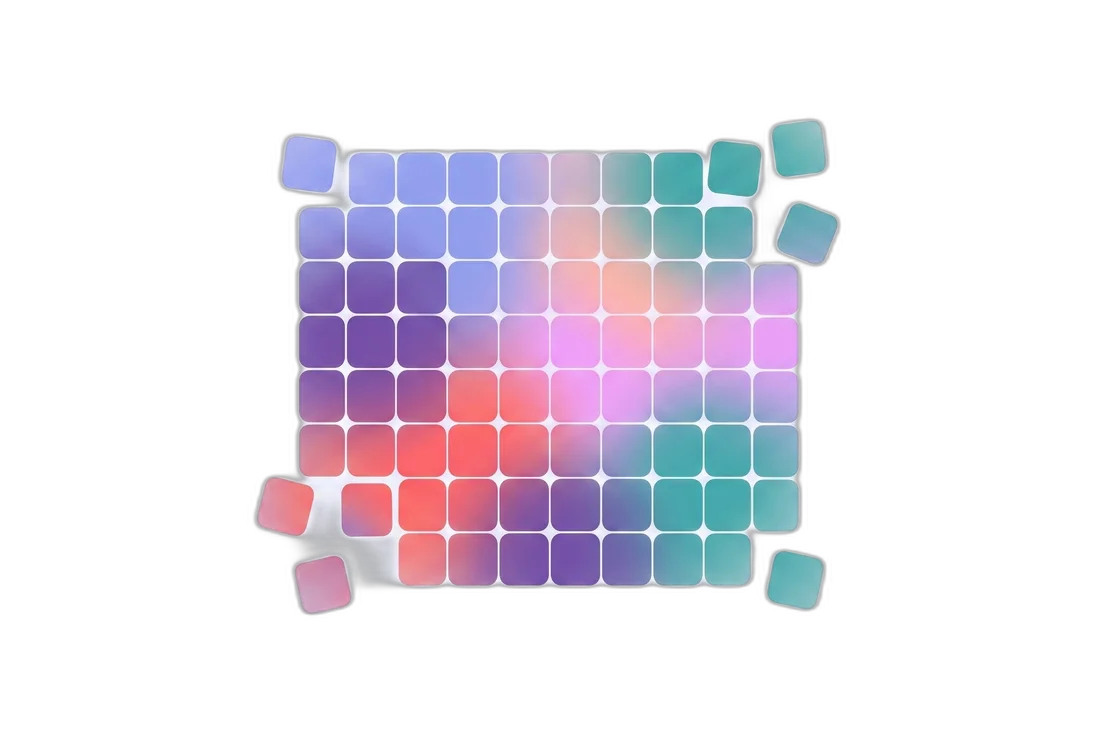
The DES separates feelings that usually blur together — sadness from shame, fear from anger. That distinction matters, because shame and sadness ask for different responses. Naming the specific emotion is the first step to understanding it. Beliora scores each of the 10 emotions so you can see the real shape of a "bad day."
Where the DES comes from
The scale grew out of Carroll Izard’s differential emotions theory, which holds that a small set of basic emotions each have their own signal and function. It has been used in emotion research for decades. Beliora applies it as a practical, everyday lens — not a clinical instrument — to help you track your feelings over time.
How Beliora pairs DES with a Tone Scale
Alongside the 10 DES emotions, Beliora tracks a single Tone Scale from 0 to 4, running from apathy up to enthusiasm. The DES tells you which emotions are present; the Tone Scale captures your overall charge. Together, watched over 30 days, they turn scattered feelings into a pattern you can actually read.
Clinically reviewed by [Name], licensed psychologist — reviewer placeholder, to be confirmed before launch. Source: Izard, differential emotions theory.